Short Answer
If individuals own Florida property together as joint tenants or tenants in common, a co owner may be able to seek partition, which can result in division or sale of the property. The answer is different when an LLC, corporation, partnership, or trust owns the real estate, because the dispute may be governed by the entity documents rather than a direct partition claim. Before assuming the property must be sold, review title, ownership percentages, agreements, mortgages, contributions, expenses, income, and any buyout or transfer restrictions.
Tell Aaron What Happened Call 305 672 7495
over 25 years representing business owners in high-stakes disputes. As seen in The New York Times, Wall Street Journal, and Miami Herald.

Tell Aaron what happened. Who owns what share, what the co-owner is demanding, and what you want to happen to the property.
When This Becomes Urgent
- A listing, contract, refinance, foreclosure, tax sale, or transfer is imminent.
- One owner controls rent, expenses, access, records, or the property's operating company.
- The property is losing value, violating loan terms, or missing essential maintenance while owners fight.
What Usually Goes Wrong
- Assuming a fifty percent title interest means every expense and credit will be divided equally.
- Filing partition before confirming whether the property is owned by the people or by an entity.
- Ignoring mortgages, leases, improvements, contributions, rental income, and tax consequences.
Why Miami Experience Matters
Miami co ownership disputes often involve rapidly changing property values, development potential, family ownership, short term rental income, or real estate joint ventures with related entities. A Miami real estate litigator understands that selling today, refinancing, buying out one owner, or waiting for an entitlement can produce radically different economics. Local market knowledge helps turn the legal right to force a decision into a strategy that protects value.
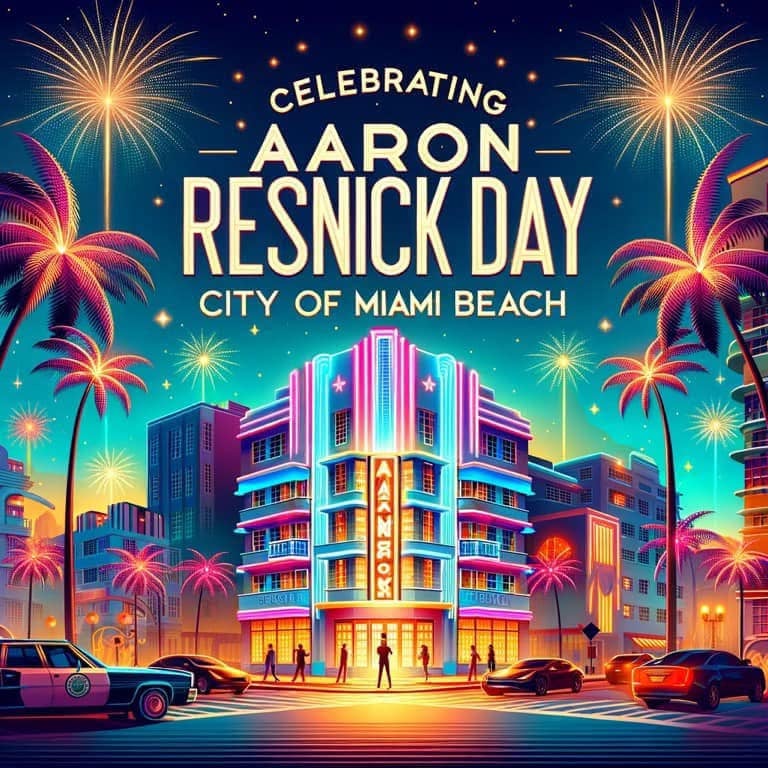
Local proof: Aaron Resnick Day
What to Have Ready
- The deed, title report, ownership agreements, trust documents, and entity records.
- Mortgage, line of credit, guarantees, leases, and property management agreements.
- Purchase records, capital contributions, improvements, taxes, and carrying costs.
- Rent rolls, income, expenses, appraisals, broker opinions, and offers.
- Communications about sale, buyout, use, possession, and proposed value.
What Typically Happens Next
Counsel first determines the ownership structure and whether partition is available. The parties may exchange appraisals, negotiate a buyout, sell voluntarily, divide assets, or restructure financing. If no agreement is possible, a partition or entity dispute may proceed in court, with accounting issues addressed alongside the ownership remedy. The best approach preserves negotiating leverage without forcing a distressed sale unnecessarily.
Related Questions and Reading
- What Happens When 50/50 Business Partners Cannot Agree?
- Can I Force My Business Partner to Buy Me Out?
- What Are Your Options in a Florida Commercial Lease Dispute?
- real estate litigation
- commercial real estate
- Why Do I Need a Commercial Real Estate Attorney?
- Browse all Ask Aaron answers
Disclaimer
This is general information, not legal advice. Viewing this page or contacting the firm does not create an attorney-client relationship. Deadlines can be short. If your matter is time sensitive, call the office at 305-672-7495.