Miami Entertainment Contract Lawyer
A Miami entertainment lawyer reads the contract that controls the money, the rights and the exit, and takes the dispute forward when the deal breaks down. Law Offices of Aaron Resnick handles entertainment contracts, licensing, ownership disputes and litigation involving artists, producers, promoters, venues, festivals, nightlife businesses and production companies. Attorney Aaron Resnick has handled business disputes in Miami since 1998 and works hands-on on every case.
Aaron knows the law. He knows both sides. And he knows Miami. That is why Miami business owners know Aaron.
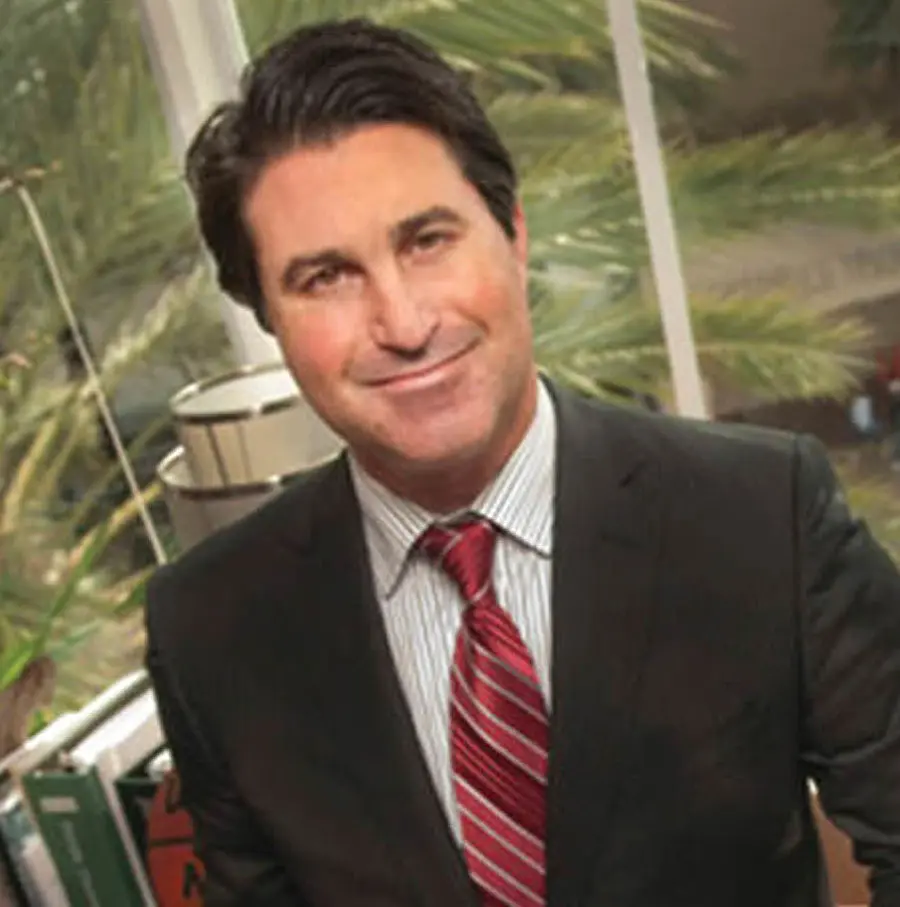
Attorney Aaron Resnick reviews entertainment contracts, licensing deals and ownership disputes for artists, promoters, venues and entertainment companies.
What Contracts Does a Miami Entertainment Business Need Reviewed?
Start with the contract that controls the money, rights and exit. That may be a talent agreement, performance agreement, venue agreement, promoter agreement, production agreement, sponsorship, endorsement, licensing deal, distribution agreement or royalty arrangement. The key questions are who must perform, who gets paid, who owns the rights, and what happens if the project changes or fails.
Aaron Resnick reads the agreement for who must perform, who gets paid and who owns the rights.
How Does Florida Regulate Talent Agencies?
Florida generally requires a talent agency license for a person who procures, or attempts to procure, artist engagements for compensation under chapter 468, Florida Statutes. A talent agency may not charge a registration fee. It must give each applicant a contract copy within 24 hours after execution listing the services to be provided and fees to be charged.
Exceptions include a person acting for oneself, a family member or exclusively one artist. Even an exempt person cannot advertise as a talent agency or talent agent without the required license. Check the actual work and advertising, not just the title used in the agreement.
Aaron Resnick reviews the agency contract, the work actually performed and the advertising.
What Should a Venue, Promoter or Festival Agreement Address?
Put the operating deal in the contract before doors open: the event, venue and dates, payment, deposits and cancellation rights, insurance, production duties, ticketing, sponsorship and use of names and marks, security, and what happens if weather, permitting or an artist cancellation stops the show.
Assign those responsibilities before signing so the agreement identifies who must act when a performance is cancelled or a permit is delayed.
Aaron Resnick reads the payment, cancellation and insurance terms of a venue, promoter or festival agreement.
What Happens When an Entertainment Contract or Licensing Deal Breaks Down?
Start with what the agreement actually requires. Payment defaults, cancelled performances, disputed credits, licensing limits, royalty accounting, exclusivity and termination rights all turn on the written deal and the records around it. Depending on the contract, the dispute goes to negotiation, mediation, arbitration or court, and the remedy follows the contract and the facts.
Aaron Resnick reads the written deal and the records around it together.
What If the Owners of an Entertainment Company Are Fighting?
Entertainment companies have the same ownership fights as any closely held business, with a valuable brand in the middle: voting rights, roles, ownership percentages, valuation, control of the name and content, access to records, or a forced exit. Miami business attorney Aaron Resnick represented Alex Omes, an Ultra Music Festival cofounder, at the trial level in the dispute over his ouster.
What Should I Bring to an Entertainment Law Meeting?
Send the signed agreement and every amendment, the names and entities on both sides, invoices and payment records, licensing or royalty statements, the key emails and texts, any demand or termination notice, and the date of the next performance, payment or hearing. If ownership is disputed, add the operating agreement, shareholder documents and company records you have.
Aaron Resnick reviews those documents first.
Entertainment Work the Firm Handles
Talent, artist and management agreements; performance and appearance contracts; venue and promoter agreements; festival and nightlife agreements; production contracts; sponsorship and endorsement agreements; licensing and royalty arrangements; contract enforcement and defense; ownership and founder disputes inside entertainment companies; and litigation arising from those relationships. For the broader sports and art practice, see Entertainment, Sports & Art Law.
Trademark, copyright and licensing questions that stand on their own go to the firm's intellectual property page.
Send the parties, the problem and the next date; the firm reviews every inquiry and tells you whether it can help.
We Don't Make Promises. We Have Results to Prove It.
Aaron Resnick has handled business disputes in Miami since 1998 and is a fourth generation Miami resident. He works hands-on on every case; the client gets Aaron on every major litigation issue, not a junior partner. The Law Offices of Aaron Resnick represents artists, producers, promoters, venues and entertainment companies in Miami Dade, Broward and Palm Beach counties in entertainment contracts, licensing, ownership disputes and litigation. Call 305-672-7495 or request a consultation.
This page provides general information and is not legal advice. Prior results do not guarantee or predict a similar outcome.