Miami Eviction Attorney
A Florida residential eviction requires a court judgment before the sheriff can remove a tenant who remains in possession. The landlord must establish the right to possession, deliver any required notice and have the lawsuit properly served. Chapter 83, Florida Statutes, governs the residential case; court rules also control deadlines and procedure.
Aaron Resnick, a Miami real estate attorney with Law Offices of Aaron Resnick, represents landlords in residential evictions in Miami, from reviewing the lease and preparing the notice through the court case and writ.
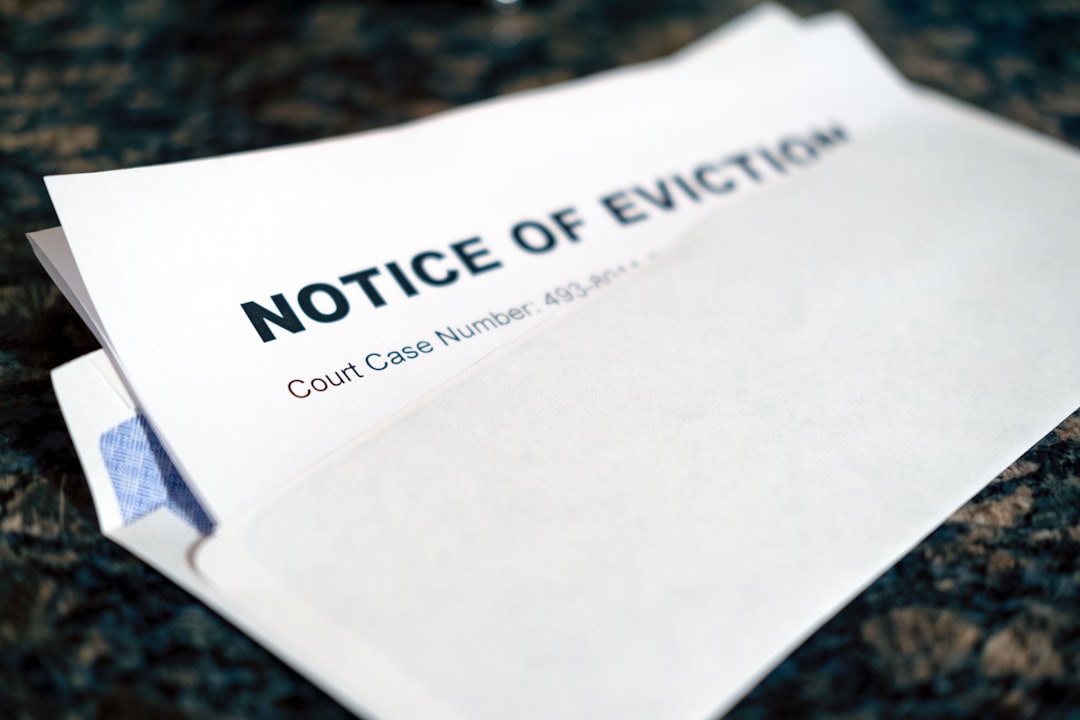
How Does an Eviction Work in Florida?
A residential eviction is a court case to recover possession: the landlord gives any required notice, files the complaint, arranges service and asks for a judgment. The tenant can respond and raise defenses. If the landlord obtains judgment and a writ, the sheriff returns possession through the process in chapter 83, Florida Statutes.
| Step | What Happens | Timing and Conditions |
|---|---|---|
| 1. Notice | The landlord identifies whether a notice is required and which notice fits the grounds. | Unpaid rent ordinarily calls for a 3 day demand, excluding Saturdays, Sundays and court observed holidays. Other material violations generally use a 7 day notice. Repeat violations and periodic tenancies need separate review. |
| 2. Complaint | The complaint describes the home and the facts supporting recovery. | File in the county court where the home is located. The statute provides summary procedure and priority on the calendar, not a guaranteed completion date. |
| 3. Service | The tenant receives the summons and complaint through legally sufficient service. Posting is available only when its statutory conditions are met. | For posting, service is effective on the later of posting or the clerk's mailing. At least 5 days must pass after effective service before a final removal judgment; apply the court rules when counting the period. |
| 4. Answer | The tenant files the possession answer and sends a copy to the landlord or the landlord's attorney. | Within 5 days after service, excluding Saturdays, Sundays and legal holidays. A separate claim for back rent or damages has a different response period. |
| 5. Rent Into Court | A defense other than payment generally requires the statutory deposit or a supported motion asking the court to determine the rent. | Within 5 days after service, excluding Saturdays, Sundays and legal holidays. This runs alongside the answer deadline, not after it. Required rent continues to fall due during the case. |
| 6. Judgment | The court decides whether the landlord is entitled to possession, through default procedures or a contested determination. | A contested eviction has no guaranteed total duration. A possession judgment does not automatically establish a right to a personal money judgment. |
| 7. Writ of Possession | The clerk issues the writ to the sheriff, who returns possession after the required posted notice. | The notice period is 24 hours. Saturdays, Sundays and legal holidays do not extend it. The sheriff's actual execution may occur later. |
The firm's Ask Aaron answer on a Florida landlord's rights and duties also explains the eviction process.
Which Notice Must a Florida Landlord Serve Before Filing an Eviction?
The required notice depends on the grounds: unpaid rent ordinarily calls for a written demand and 3 days to pay or surrender possession. Other material violations generally call for 7 days to cure or vacate. Aaron Resnick checks the facts, lease and applicable notice under chapter 83, Florida Statutes.
For the unpaid rent demand, the 3 days exclude Saturdays, Sundays and legal holidays observed by the court. The demand must substantially follow the statutory form, including the rent owed, property address and landlord contact information. The method of delivery can affect the deadline, so the period should be checked before filing.
A curable violation, such as an unauthorized pet, guest or vehicle, generally allows 7 days to correct the problem. A material violation for which no opportunity to cure is required, such as intentional property destruction or misuse, can support a notice ending the lease and allowing 7 days to vacate.
The repeat violation rule concerns the noncompliance addressed in the earlier notice, not any unrelated breach. When that noncompliance recurs within 12 months after the prescribed cure notice, the statute permits eviction without another notice. Separately, a subsequent or continuing similar violation within 12 months of a written warning can support the notice allowing 7 days to vacate.
For a tenancy without a specific duration, chapter 83, Florida Statutes, generally requires notice at least 30 days before the end of a monthly period, 7 days before a weekly period, 30 days before a quarterly period and 60 days before an annual period. A notice ending the tenancy is not permission to remove a tenant without the required court process.
The termination notice may be mailed, personally delivered as a true copy, or left at the home when the tenant is absent. Email requires compliance with the separate written addendum and delivery rules, including the parties' signed agreement to use email. A lease cannot waive the statutory termination notice requirements.
Accepting rent with actual knowledge of a violation can waive termination for that violation, but the statute makes exceptions for partial payments and government rent subsidies. Partial payment after a nonpayment notice requires one of the prescribed responses. Aaron Resnick reviews the payment and notice records before treating the notice as waived or still effective.
The detailed payment rules and the landlord's other duties appear on landlord rights and responsibilities in Florida.
Where Is a Florida Eviction Filed and How Is the Tenant Served?
A residential eviction belongs in the county court of the county where the home is located. The complaint must describe the home and state the facts supporting recovery. Chapter 83, Florida Statutes, provides an expedited procedure and directs the court to advance the case on its calendar, but does not guarantee a hearing or removal date.
The statute permits the landlord, the landlord's attorney or the landlord's agent to file the initial complaint. Its permission for a nonlawyer agent is limited to that initial filing. Aaron Resnick checks the representation requirements for the owner and does not treat that permission as authority to conduct the entire lawsuit without counsel.
When Is the Possession Answer Due?
Under chapter 51, Florida Statutes, the possession answer must contain the defenses of law or fact and be filed within 5 days after service. Florida Rule of General Practice and Judicial Administration 2.514 excludes Saturdays, Sundays and legal holidays from a period shorter than 7 days. The residential summons also directs the tenant to send the landlord or attorney a copy.
Do not count the service day. The possession deadline and the separate rent deposit deadline normally run together. The standard summons for back rent or other damages gives 20 days to serve written defenses to that money claim; it does not extend the shorter possession or rent deposit deadlines.
The possession answer may include a counterclaim. The landlord must serve an answer to that counterclaim within the separate 5 day period in chapter 51, Florida Statutes. The statute otherwise limits pleadings and requires defensive motions to be heard before trial.
An appeal has another deadline: chapter 51, Florida Statutes, requires the notice of appeal to be filed and served within 30 days after rendition of the judgment. Send a judgment to Aaron promptly so the applicable review procedure and any request to stop enforcement can be assessed.
When May the Summons Be Posted?
Under chapter 48, Florida Statutes, posting is permitted if the tenant cannot be found in the county, or no person age 15 or older resides at the tenant's usual home there, after at least two attempts at least 6 hours apart. The person serving process then posts the summons conspicuously on the premises.
For that method, the landlord supplies the clerk with an additional complaint and a stamped envelope addressed to the tenant at the premises. The clerk immediately mails the summons and complaint by first class mail and records the mailing. Service becomes effective on the later of the posting date or the mailing date.
At least 5 days must pass after effective service before a final judgment for removal. Apply Rule 2.514 to count that short period. The clerk's mailing is part of this posting procedure, not an extra 5 day extension added to the possession answer deadline.
Posting can support recovery of possession, but it does not by itself give the court personal jurisdiction to impose a money judgment. A landlord seeking unpaid rent as well as the property needs the service and money claim reviewed before the papers are issued.
What Happens When a Tenant Contests a Florida Eviction?
A tenant raising a defense other than payment must comply with the rent deposit rule as well as answer the lawsuit. Within 5 days after service, excluding Saturdays, Sundays and legal holidays, the tenant must make the required deposit or file a supported motion to determine rent under chapter 83, Florida Statutes.
The required deposit covers the rent alleged in the complaint or determined by the court, and required rent accruing during the case must also be deposited when due. The rule applies even when the tenant argues that the 3 day notice was defective. An answer alone does not satisfy the deposit requirement.
Failure to make the required deposit or timely motion waives defenses other than payment and entitles the landlord to an immediate default judgment for possession. The statute allows the writ to issue without further notice or hearing. This concerns possession, not an automatic award of every amount the landlord demands.
A motion to determine rent must include documents supporting the claim that the complaint's amount is wrong. A tenant in public housing or receiving a rent subsidy deposits the tenant's own share. Under chapter 83, Florida Statutes, the court may not set mediation or trial until the deposit requirements applicable to that case are met.
A landlord in actual danger of losing the property or facing other personal hardship from lost rent may request release of registry funds or a prompt final hearing. Chapter 83, Florida Statutes, permits the court to consider that request at a preliminary hearing. Filing the request does not automatically release the money.
What Defenses and Paperwork Problems Can Affect the Case?
The tenant may raise legal or equitable defenses, including retaliation. In an unpaid rent case, material failure of the basic maintenance duties identified in chapter 83, Florida Statutes, can also be a defense when the required written notice was delivered and 7 days have elapsed. The notice must describe the failure and state the intention not to pay rent.
That defense does not cover every minor repair complaint, and it does not erase the separate court deposit requirements. The court determines the disputed facts and any appropriate rent reduction. The firm's tenant rights page explains the tenant's protections.
For the nonpayment actions addressed by chapter 83, Florida Statutes, the landlord must receive an opportunity to cure a deficiency in a notice or pleading before dismissal. That is not a promise that every defect in every eviction is curable. Aaron Resnick checks the notice and pleading before filing rather than relying on a later correction.
What Can a Court Award a Landlord in a Florida Eviction?
Possession and a personal money judgment require separate checks. An unpaid rent eviction can include the rent found due and costs within the court's jurisdiction, but chapter 83, Florida Statutes, requires proper service and compliance with court rules. Posting alone does not support a personal money judgment against a tenant who has not otherwise become subject to the court's jurisdiction.
A landlord should not treat a possession default as an award of unpaid rent, attorney fees or a personal judgment for costs. The money claim needs a lawful basis for personal jurisdiction and the applicable response period. The standard money claim summons uses 20 days, while the possession answer normally uses 5 days excluding weekends and legal holidays.
The distinction does not permanently surrender the landlord's claim for rent. Aaron Resnick reviews how the claim can proceed with legally sufficient service and the required procedures. An ordinary mailing of the possession papers is not a substitute for those requirements.
The party obtaining judgment to enforce the lease or the residential tenancy law may recover reasonable attorney fees and court costs under chapter 83, Florida Statutes. A lease cannot waive that statutory right. The provision does not authorize fees for a personal injury claim based on the landlord's maintenance duty.
A tenant remaining after the lease expires without the landlord's permission can face a holdover claim. Chapter 83, Florida Statutes, permits recovery of possession and allows double the rent due for the period the tenant refuses to surrender possession. That remedy depends on the statutory conditions and the case, not merely a late payment.
How Does a Landlord Get Possession After the Judgment?
After judgment for the landlord, the clerk issues a writ to the sheriff. Chapter 83, Florida Statutes, requires 24 hours' conspicuously posted notice, which Saturdays, Sundays and legal holidays do not extend. The sheriff's actual return of possession may occur later, depending on scheduling and any applicable court order.
When the sheriff executes the writ, or afterward, the landlord or agent may remove personal property to or near the property line as the statute allows. The landlord may ask the sheriff to remain afterward while locks are changed and property is removed. The statute permits a reasonable hourly standby charge paid by the requester.
The landlord cannot skip the court process merely because rent is unpaid. Chapter 83, Florida Statutes, recognizes possession through a court action, surrender, abandonment or a narrowly defined situation after the last tenant's death. Changing locks or shutting off utilities to force a tenant out is prohibited.
The separate possession exceptions and prohibited practices are explained on landlord rights and responsibilities in Florida.
How Is a Commercial Eviction Different From a Residential One?
Nonresidential evictions follow part I of chapter 83, Florida Statutes, and an unpaid rent claim generally requires a 3 day written demand. The 15 day cure notice for another material breach applies when the lease is silent or the tenancy is oral and at will; the notice may allow longer. Check the lease and do not assume residential procedural rules apply.
Read commercial evictions in Florida, the firm's commercial property eviction services, and what to do when a commercial tenant stops paying rent.
Do Local Rules Change a Residential Eviction in Miami?
For residential tenancy matters governed by part II of chapter 83, Florida Statutes, including statutory notices, a Miami eviction follows state law rather than separate county or city tenancy rules. That preemption does not replace Florida court rules. Aaron Resnick also follows the filing and hearing procedures of the court handling the case.
The case belongs in the county court where the home is located, and the sheriff executes the writ. A court procedure is not the same thing as a city changing the landlord's statutory notice period. The lease, applicable law and court requirements must be checked together.
For commercial leases and rental property issues, see the firm's Miami landlord tenant attorney page. The tenant's side is explained on what rights a Florida tenant has.
How Does the Lease Affect an Eviction?
The lease identifies the rent, due date and agreed obligations. Unpaid rent, property damage or unlawful conduct may support different grounds and notices, depending on the facts and applicable law. Aaron Resnick reviews the lease before selecting a notice; a lease cannot waive the termination notice requirements in chapter 83, Florida Statutes.
Aaron Resnick drafts residential lease agreements, reviews existing leases and updates them when the law changes. The residential notice and termination provisions were amended in 2023, 2025 and 2026. An older lease form should be checked against the requirements that apply now.
What Does Aaron Resnick Do for a Miami Landlord in an Eviction?
Aaron Resnick represents Miami landlords in residential evictions from the lease through the writ. He prepares the notice, prepares and files the complaint and the other court papers, represents the landlord in court, and negotiates with the tenant when a resolution outside court protects the landlord's property and financial interests.
- Lease drafting. He drafts leases that state the essential terms clearly, which helps prevent disputes and misunderstandings later.
- Lease review and updates. He reviews existing leases and updates them when the law changes.
- The notice. He identifies the notice the facts call for and prepares it, whether the problem is unpaid rent or another violation of the lease.
- Filing the eviction lawsuit. If the tenant does not comply with the notice, he prepares and files the complaint and every other paper the court requires.
- Court proceedings. He represents the landlord in court and presents the evidence and the legal argument for possession.
- Legal compliance. He checks each step against chapter 83 and the procedures of the local court.
- Dispute resolution. He negotiates with the tenant or the tenant's lawyer to resolve a dispute before it reaches court, which can save time and money.
- Avoiding delays and errors. A mistake in the notice, the service or the filing can delay the case and add cost. He handles the process from the first notice to the writ.
Why Hire Aaron Resnick for an Eviction?
Aaron Resnick is a past president of the Miami Beach Bar Association and has been named to Florida Super Lawyers every year since 2013. He writes leases and handles the lawsuits that follow a broken lease, so each notice is prepared with the court case in mind.
The firm's Miami real estate litigation lawyer page describes the property disputes Aaron Resnick handles in court.
What Should You Send Aaron First?
Send Aaron Resnick the lease and amendments, rent ledger and every notice already delivered, with proof of its delivery date and method. Include tenant complaints or repair requests and any court papers with the service date. Aaron uses those records to check the required notice, filing readiness and approaching deadlines.
Send the parties, the problem and the next date; the firm reviews every inquiry and tells you whether it can help. You can also reach the firm through the Contact Us page.
Aaron Resnick has handled business disputes in Miami since 1998 and is a fourth generation Miami resident. He works hands-on on every case; the client gets Aaron on every major litigation issue, not a junior partner.
We Don't Make Promises. We Have Results to Prove It.
The Law Offices of Aaron Resnick represents landlords, tenants and property investors in Miami Dade, Broward and Palm Beach counties and across Florida in commercial and residential lease disputes and evictions. Call 305-672-7495 or request a consultation.
This page provides general information and is not legal advice. Prior results do not guarantee or predict a similar outcome.