Local legal counsel for founders, established companies, investors, and businesses opening a Miami or South Florida office.
Miami opens doors quickly. Before you sign a lease, choose a partner, hire a local team, invest, or move an existing company, find out what is actually behind the opportunity.
Aaron Resnick helps business owners examine the legal structure, ownership, contracts, property, obligations, and dispute risks involved in entering the Miami market. When a project requires tax, accounting, immigration, banking, insurance, employment, construction, or another specialized discipline, he can help the client identify the kind of professional the project needs and make introductions when appropriate.
Tell Aaron what you are starting, moving, opening, buying, or being asked to sign.
Tell Aaron What Happened Call 305-672-7495
The short answer
Starting, moving, or expanding a business in Miami usually involves more than registering an entity. The right plan depends on who owns and controls the company, where it is already organized, whether it will have a Florida location or employees, what contracts and licenses apply, and what commitments have already been made. A new venture may need a Florida entity and ownership agreement. An existing company may instead qualify to do business in Florida, reorganize, or create a separate subsidiary. The legal, tax, and operational consequences should be reviewed before the structure is chosen or a lease is signed.
Choose your path into the Miami market
I am starting a new business in Miami
A new venture needs more than a filing. The founders should decide who owns the company, who controls major decisions, how money will be contributed, how compensation works, and what happens if an owner leaves, becomes disabled, dies, underperforms, or wants to sell.
I am moving an existing company to Florida
Relocation does not automatically require dissolving the existing company. Depending on the entity, its home state, tax considerations, contracts, licenses, and future plans, the company may be able to register in Florida, complete a statutory conversion or domestication, reorganize, or form a new Florida entity. The correct route requires a coordinated legal and tax review.
Relocate a Business to Florida
We are opening a Florida office, branch, or subsidiary
An established company entering Florida should decide whether to operate through its existing entity or a separate subsidiary. That decision can affect control, contracting, liability allocation, accounting, employment, licensing, and the ability to separate the Florida operation from the parent company.
I am entering South Florida from outside the United States
International founders and companies may need coordinated advice concerning United States entity structure, tax, immigration, banking, employment, intellectual property, contracts, and regulatory requirements. Aaron can address matters within the firm's practice and help identify the other professional disciplines the project requires.
Discuss Your Miami Market Entry
I am buying an existing Miami business
Buying a business can provide operations, customers, contracts, licenses, employees, and a location on day one. It can also transfer or expose the buyer to obligations that were not obvious from the sales pitch. The buyer should examine the seller, financial records, governing documents, contracts, lease, licenses, liens, claims, litigation, employees, and closing structure before committing.
Discuss a Miami Business Purchase
What should you review before starting or moving a business to Miami?
1. Entity and registration
Determine whether the business should form a Florida entity, keep its existing entity and register it in Florida, or use a separate Florida subsidiary. Florida's Division of Corporations provides filings for domestic and foreign corporations and limited liability companies. A filing creates or registers the public entity record. It does not decide whether the selected structure is appropriate for the owners, tax plan, contracts, or risks.
2. Ownership and control
Put the business deal into writing before relationships become strained. The governing agreement should address ownership, voting, management authority, capital contributions, compensation, distributions, access to records, transfer restrictions, deadlocks, departures, buyouts, restrictive covenants where lawful, and dispute procedures.
3. Existing and new contracts
Review leases, customer agreements, vendor agreements, loan documents, guarantees, insurance requirements, licenses, and employment arrangements. A move may require consent, notice, assignment, amendment, or a new contract. A change of entity does not automatically move every contractual right and obligation.
4. Location and commercial lease
Confirm that the intended use is allowed before signing a lease or spending money on construction. Examine zoning and use restrictions, buildout obligations, permit responsibility, operating expenses, insurance, default provisions, renewal rights, assignment rights, exclusivity, signage, personal guarantees, and what happens if the required approvals are denied.
The exact requirements depend on the municipality and the business. Within the City of Miami, the City's current opening guide identifies the Certificate of Use and Business Tax Receipt as two principal local items. Miami Dade County explains that a Certificate of Use confirms that a business use is allowed at the location and that the structure has the proper occupancy approval for that use.
5. Licenses, tax, employment, and industry rules
Entity registration is not the same as permission to conduct every kind of business. State agencies, Miami Dade County, a municipality, and professional or industry regulators may impose separate requirements. The company may also need federal and state tax registrations, employment systems, insurance, and industry specific approvals.
6. People, promises, and local providers
Verify the people behind the opportunity. Confirm identities, authority, licenses, company status, litigation history, references, ownership, insurance, and the specific promises being made. Define the scope, price, deadlines, deliverables, approval process, change procedure, ownership of work, termination rights, and dispute terms in writing.
7. The failure plan
Good agreements address what happens if the relationship does not go as expected. Before committing, ask who controls the money, who can bind the company, what decisions require approval, what happens after a missed deadline or default, how an owner can exit, and where a dispute will be handled.
Why work with Aaron as your Miami point of contact?
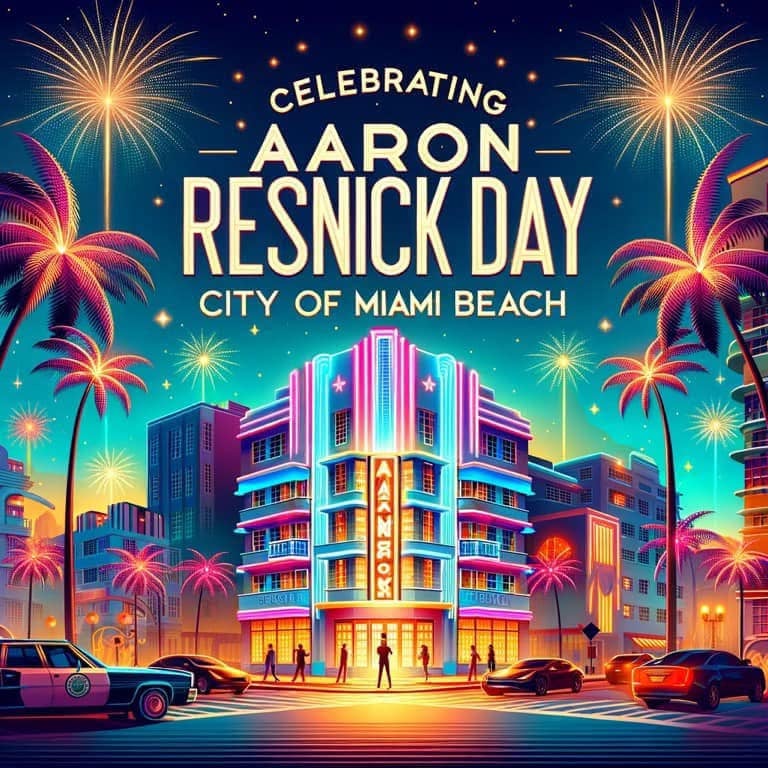
Aaron Resnick is a fourth generation Miami Beach resident who founded the Law Offices of Aaron Resnick in Miami in 2005. His Miami record includes service as past president of the Miami Beach Bar Association, civic and professional leadership, local counsel work, and recognition by the City of Miami Beach through the proclamation of Aaron Resnick Day on December 13, 2022.
That local experience matters because market entry is not merely an entity filing. It involves people, property, contracts, timing, and promises. Aaron's work in business and real estate disputes gives him a practical view of how unclear authority, incomplete agreements, weak diligence, and undocumented representations can become expensive conflicts.
Before you sign, hire, lease, invest, or partner in Miami, Ask Aaron.
One point of contact, with the right professional team
A company entering Miami may need more than one professional. Aaron can address legal issues within the firm's practice and help the client identify the other disciplines the project requires.
Depending on the matter, the team may include a Florida CPA, tax adviser, banker, insurance professional, commercial broker, title professional, immigration lawyer, employment lawyer, contractor, technology provider, or another local resource. Each professional remains responsible for that professional's work, and the client remains responsible for deciding whom to engage.
What Aaron can help you examine
- Florida entity formation and governance
- Registration or restructuring of an existing company
- Founder, shareholder, and operating agreements
- Commercial contracts and risk allocation
- Commercial leases and real estate issues
- Business purchases and transaction documents
- Local counsel needs for national or international companies
- Partner, shareholder, contract, and real estate disputes
- The other professional disciplines a Miami market entry may require
-
What to have ready for the first conversation
- The name and home state or country of every existing entity
- A list of owners, investors, parent companies, and decision makers
- A short description of the proposed Miami operation
- The expected location and number of Florida employees
- Any letter of intent, lease, purchase agreement, operating agreement, franchise agreement, loan document, or other proposed commitment
- The names of proposed partners, sellers, landlords, brokers, vendors, and advisers
- The amount already invested or committed
- Every deadline and the next decision that must be made
- The professional services and local introductions still needed
-
Ask Aaron: common Miami business questions
-
What do I need to start a business in Miami?
Most businesses need to select a legal structure, register the entity or business name as applicable, obtain required tax identification and registrations, confirm that the planned activity is permitted at the location, obtain applicable state and local licenses, establish ownership and governance terms, and put essential contracts in writing. The requirements vary by location and industry.
Should I form a Florida LLC or corporation?
The answer depends on ownership, management, tax treatment, fundraising, compensation, transfer plans, and risk. An LLC may offer flexible governance, while a corporation may better fit certain investment or equity plans. Tax treatment should be reviewed with a qualified tax professional before the entity is selected.
Can I keep my company in another state and operate in Florida?
Often, an out of state company can remain organized in its home state and register as a foreign entity in Florida. That does not mean registration is always the best business, tax, or liability structure. The company should review where it operates, its contracts, employees, property, taxes, and long term plans.
Should we open a Florida branch or form a subsidiary?
A branch generally operates through the existing company. A subsidiary is a separate entity owned by a parent. The choice can affect liability separation, contracts, accounting, taxes, licenses, employment, financing, and future sale plans. Legal and tax advisers should evaluate the complete operation before the company commits.
Do I need a Florida entity before signing a Miami commercial lease?
Not always, but the intended tenant should be decided before signing. Otherwise, the founder or existing company may become responsible for obligations intended for a later entity. Even when the tenant is an entity, a landlord may request a personal or parent company guarantee. The lease should also address what happens if zoning, use, construction, or licensing approvals are not obtained.
Can Aaron introduce me to other Miami professionals?
When appropriate, Aaron can help a client identify the type of professional the project requires and may be able to make an introduction. The need may involve accounting, tax, banking, insurance, immigration, employment, real estate, construction, technology, or another specialty. An introduction is not a guarantee of availability, fit, performance, or outcome. The client decides whom to retain.
Explore More Ask Aaron Questions
Talk with a Miami business attorney before you commit
If you are starting, moving, expanding, or buying a business in Miami or South Florida, tell Aaron what has been proposed, what has already been signed, who is involved, and what must happen next.
Call Aaron directly at 305-672-7495 or request a consultation.
Over 25 years representing business owners in significant disputes. As seen in The New York Times, The Wall Street Journal, and the Miami Herald.
Disclaimer
This page provides general information only and is not legal advice. Reading this page, contacting the firm, or receiving an initial response does not create an attorney client relationship. Legal, tax, licensing, immigration, and regulatory requirements depend on the specific facts, location, industry, and current law. Do not act or decline to act based solely on this page. Deadlines can be short. Consult the appropriate qualified professionals about your situation.