
November 26, 2026
Do I Have to Pay a Condo Milestone Assessment?
Generally yes, but you can challenge how it was adopted and what it pays for. Florida laws passed after the 2021 Surfside collapse require milestone...
Generally yes, but you can challenge how it was adopted and what it pays for. Florida laws passed after the 2021 Surfside collapse require milestone inspections and structural integrity reserve studies for many condominium buildings, and the repairs they identify can be funded by special assessments. You can challenge the assessment while paying it.
Miami Attorney Aaron Resnick has represented business owners in disputes for over 25 years. As seen in The New York Times, The Wall Street Journal and the Miami Herald.
As Seen In



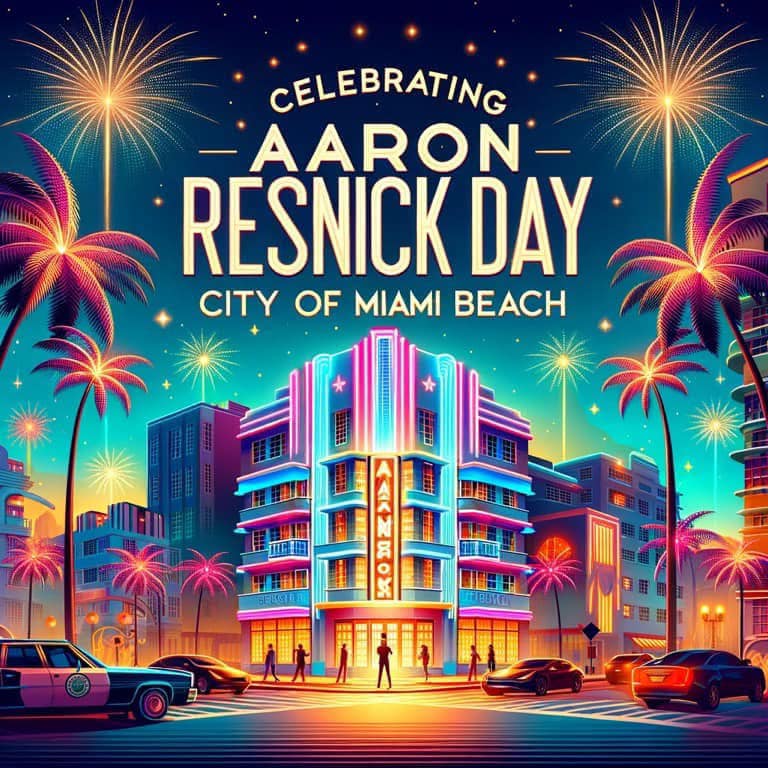
Aaron Resnick Day
City of Miami Beach, December 13, 2022

Super Lawyers
Florida Super Lawyers, every year since 2013

AV Preeminent
Peer review rating, Martindale-Hubbell

Tell Aaron what happened. Include the assessment amount, the date of the notice and the repairs the association says it will fund.
What Is a Milestone Inspection?
Under Chapter 553, a residential condominium or cooperative building three habitable stories or more in height must have a milestone inspection by December 31 of the year it reaches 30 years from its certificate of occupancy, and every 10 years after that. The local building department may require the first inspection at 25 years based on local conditions, such as closeness to salt water. A licensed architect or engineer performs a visual first phase. If that phase finds substantial structural deterioration, a second phase follows, which can include testing. Repairs for substantial structural deterioration found in the second phase must begin within 365 days after the report is received, or sooner if the local building department sets a shorter time. The law does not apply to a single family, two family, three family or four family dwelling with three or fewer habitable stories above ground. Within 45 days after receiving the report, the association must send each owner a copy of the inspector's summary.
What Is a Structural Integrity Reserve Study?
Chapter 718 requires a residential condominium association to have a structural integrity reserve study at least every 10 years for each building three habitable stories or higher. The study covers the roof, the structure, fireproofing and fire protection, plumbing, electrical systems, waterproofing and exterior painting, windows and exterior doors, and any other item whose deferred maintenance or replacement cost exceeds the statutory threshold and whose failure would affect those items. It does not apply to buildings under three stories; to single family, two family, three family or four family dwellings with three or fewer habitable stories above ground; or to parts of a building that are not condominium property or that someone other than the association maintains. It estimates each item's remaining life and replacement cost and recommends a reserve funding schedule.
For budgets adopted on or after December 31, 2024, the owners of an association that must have this study generally cannot vote to waive or reduce reserves for those items. The Legislature has amended these rules every year since 2022, including House Bill 913 in 2025, so the version in force when the board acts controls.
How Can the Association Pay for the Work?
Current law lets an association fund these reserves through regular assessments, special assessments, lines of credit or loans. When the association chooses a special assessment, a line of credit or a loan for that purpose, the statute requires approval by a majority of the total voting interests. That rule does not apply to a developer controlled association, an association whose owners have controlled it for less than a year, or one controlled by bulk buyers or bulk assignees. A separate provision lets the board pause or reduce reserve contributions to pay for repairs recommended by a milestone inspection, but only within limits: the budget must be adopted on or before December 31, 2028; the milestone inspection must have been completed within the previous two calendar years; a majority of the total voting interests must approve; and the pause can last no more than two consecutive annual budgets. It is not available to a developer controlled association, an association whose owners have controlled it for less than a year, or one controlled by bulk buyers or bulk assignees, and the association must get a new structural integrity reserve study before contributions resume.
How Can an Owner Challenge the Assessment?
Owner challenges can focus on process, purpose and records:
Notice. Written notice of a meeting where a nonemergency special assessment will be considered must go to owners and be posted at least 14 days before the meeting, and it must state that assessments will be considered and give their estimated cost and purposes.
Purpose. Under Chapter 718, the written notice of a special assessment must state its specific purpose, and the money collected may be used only for that purpose. Any excess after the work is done is common surplus that the board may return or credit to owners.
Authority and allocation. The declaration and bylaws say what the board may approve on its own, what needs an owner vote and how costs are divided among units.
Records. Owners may inspect the association's official records, which must be made available within 10 working days after a written request. Ask for the inspection reports, the reserve study, the bids and the contracts.
Conflicts. An engineer, architect or contractor who bids on the reserve study must disclose in writing any intent to bid on the repair work it recommends.
Disputes over the levy of an assessment are excluded from the state's condominium arbitration program under Chapter 718, so these challenges generally go to court.
When This Becomes Urgent
You received notice of a board meeting to consider a special assessment.
The milestone summary or the reserve study shows major repairs and large numbers.
A payment deadline is approaching, or you received a late notice or a notice of intent to record a lien.
The building is newer and the problems may trace back to how the developer built it.
What Usually Goes Wrong
The owner stops paying, and interest, late fees, collection costs and a lien follow.
Owners object at the meeting without first requesting the records.
The challenge waits until contracts are signed and work has started.
Owners fight the board over repair costs that the association may be able to recover from the developer, contractor or design professionals.
What to Have Ready
The declaration of condominium, the bylaws and every amendment.
The meeting notices, minutes and the written notice of the special assessment.
The milestone inspection summary and report, and the structural integrity reserve study.
The budget, the reserve schedule, the bids and the repair contracts.
Your payment ledger and any records requests and responses.
What Typically Happens Next
Counsel reviews the governing documents, the notices and the vote, requests the official records, and identifies any defect in how the assessment was adopted or how the money will be used. These disputes can resolve by negotiating with the board over timing, scope, payment schedules or bids, often with owners acting together. If the dispute is not resolved, an owner can ask a court to rule on the assessment and can defend any lien foreclosure. When the problems come from original construction, a separate claim against the developer may help cover the cost.
Questions Owners Ask
Can a Florida condo owner refuse to pay a special assessment for milestone inspection repairs?
Refusing to pay is risky. Unpaid assessments can lead to interest, late fees, collection costs and a lien the association may foreclose. An owner can still challenge the assessment, for example over meeting notice, a missing owner vote, the stated purpose or how costs are divided, while paying it. These challenges generally go to court, not state arbitration.
Can Florida condo owners vote to waive structural integrity reserves?
Generally no. For budgets adopted on or after December 31, 2024, owners cannot waive or reduce those reserves. An eligible association may pause or reduce contributions for up to two consecutive annual budgets adopted by December 31, 2028, to fund repairs from a milestone inspection completed in the previous two calendar years, if a majority of all voting interests approve.
When does a Florida condo building need a milestone inspection?
A residential condominium or cooperative building three habitable stories or more in height needs a milestone inspection generally at 30 years from its certificate of occupancy, or at 25 if local officials require it, then every 10 years. A one to four family dwelling is exempt only if it has three or fewer habitable stories above ground.
Related Questions and Reading
We Don't Make Promises. We Have Results to Prove It.
Aaron Resnick, a Miami attorney, has handled business disputes since 1998 and is a fourth generation Miami resident. He is personally involved in every case; the client gets Aaron on every major litigation issue, not a junior partner. The Law Offices of Aaron Resnick represents condominium unit owners and investors in Miami Dade, Broward and Palm Beach counties and across Florida in special assessment, reserve and association governance disputes. Call 305-672-7495 or request a consultation.
This page provides general information and is not legal advice. Prior results do not guarantee or predict a similar outcome.
Viewing this page or contacting the firm does not create an attorney client relationship.
Deadlines can be short. If your matter is time sensitive, call the office at 305-672-7495.
Tell Aaron What Happened
Contact Our Firm
Tell us who is involved, what happened and any deadline coming up. The firm reads every message and will let you know whether it can help.
AUTHOR
Aaron Resnick, Esq.
TOPICS
BLOGS & ARTICLES
Latest Blog Posts
Explore articles designed to help you better understand your legal options, protect your interests, and make informed decisions for the future.